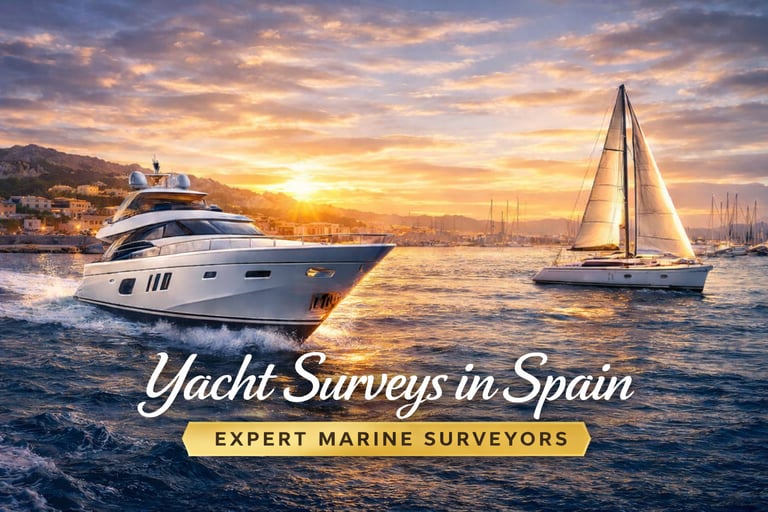

Yacht Appraisal Survey
Comprehensive Yacht Surveying, Appraisals, and Consultancy Services in Valencia for All Your Marine Needs
Yacht Appraisal Survey Scope
A yacht appraisal survey is a comprehensive technical and market evaluation carried out by a certified marine surveyor or naval architect.
It applies to all recreational vessels— sailboats, motorboats, catamarans, cruisers, and yachts —and is used to determine:
Structural condition
Mechanical and system integrity
Equipment and safety status
Compliance with regulations
Real market value
This guide defines the universal, standardized scope applied to every marine appraisal survey.
1. Documentation & Identity Verification
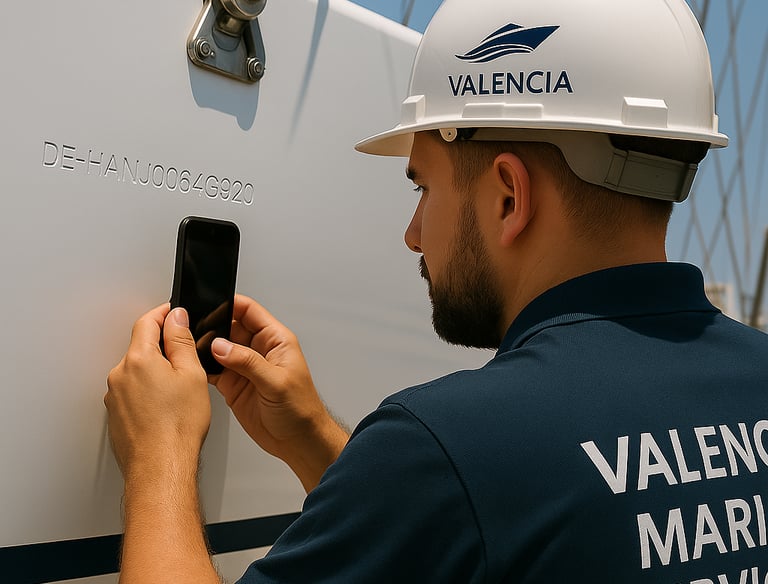
The appraisal always begins with a full review of vessel identity and legal documentation:
Registration certificate
Builder’s plate (CE category, model, serial number)
Hull Identification Number (HIN)
Engine serial numbers and documentation
VAT/ownership papers
Previous surveys or service history
Tonnage/registration details (if applicable)
Objective: Confirm that the vessel is legally documented, correctly identified, and traceable

2. Structural Condition Assessment
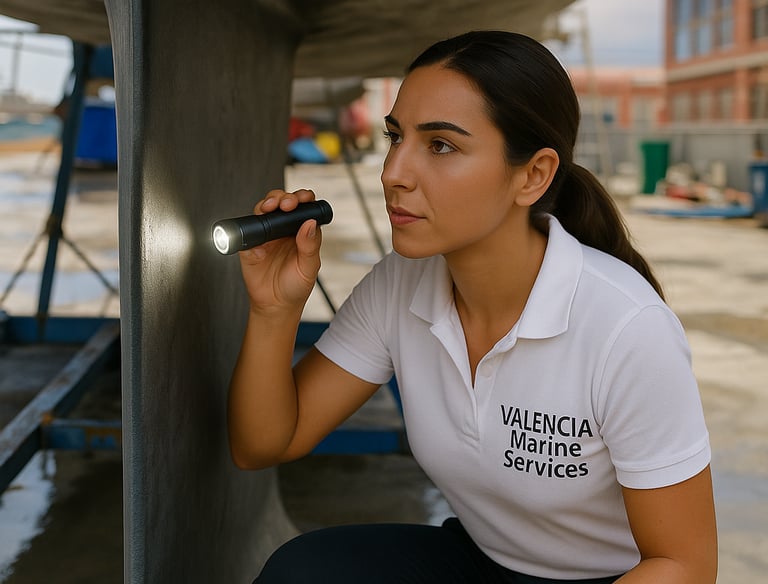
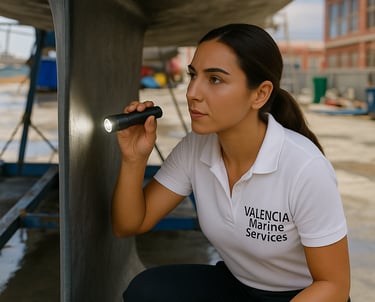
A complete assessment of the vessel’s structural integrity, valid for all boat types:
Hull
Hull material condition (GRP, aluminum, steel, wood)
Gelcoat/paint condition
Signs of osmosis, blistering, corrosion, and cracking
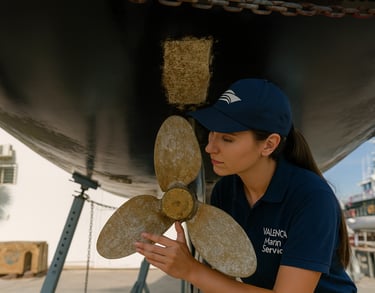
Keel or running surface inspection
Deck & Superstructure
Deck core integrity
Moisture intrusion signs
Windows, portlights, hatches
Railings, pulpits, stanchions
Transom & Attachments
Structural attachments
Brackets, swim platforms, davits
Objective: Identify structural issues that may affect safety, performance, or value.
Whether the vessel uses inboards, outboards, sterndrives, or saildrives, the inspection includes:
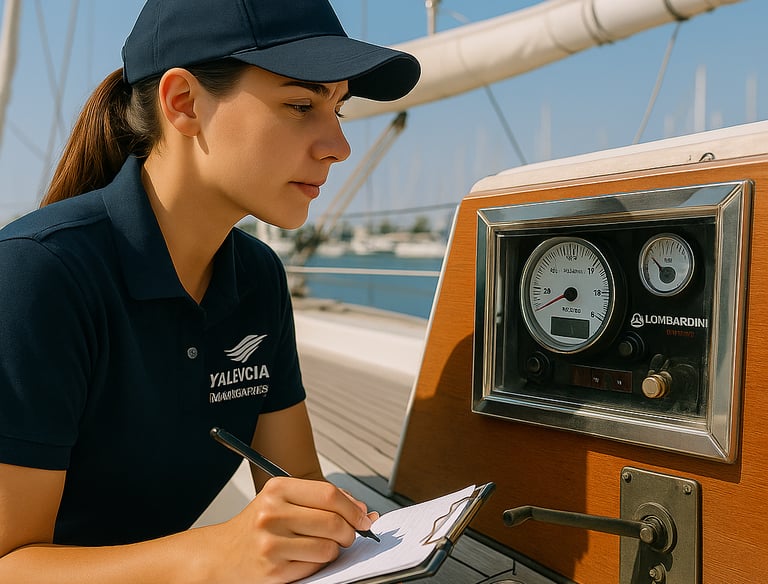
Engine condition and visual inspection
Hours verification (ECU/hours meter)
Gearbox/drive operation (visual assessment)
Fuel lines, filters, tanks
Cooling system components
Steering system and controls
Propellers, shafts, bearings (where accessible)
Objective: Establish mechanical condition, maintenance level, and economic impact on the vessel’s fair market value.
3. Mechanical & Propulsion System Evaluation



4. Electrical & Electronic Systems
5. Plumbing, Tanks & Onboard Systems
6. Interior Condition & Accommodation
Covers all DC/AC systems for both sailyachts and motoryachts:
Electrical:
Battery banks & installation
Charging systems (alternator, shore charger)
Main switchboard
Wiring condition
Lights & navigation lights
Electronics:
GPS/plotter
VHF radio
Autopilot
Radar (if fitted)
Depth sounder, wind/depth instruments
Objective: Evaluate operational status and equipment age for valuation purposes.
Applicable to all vessels:
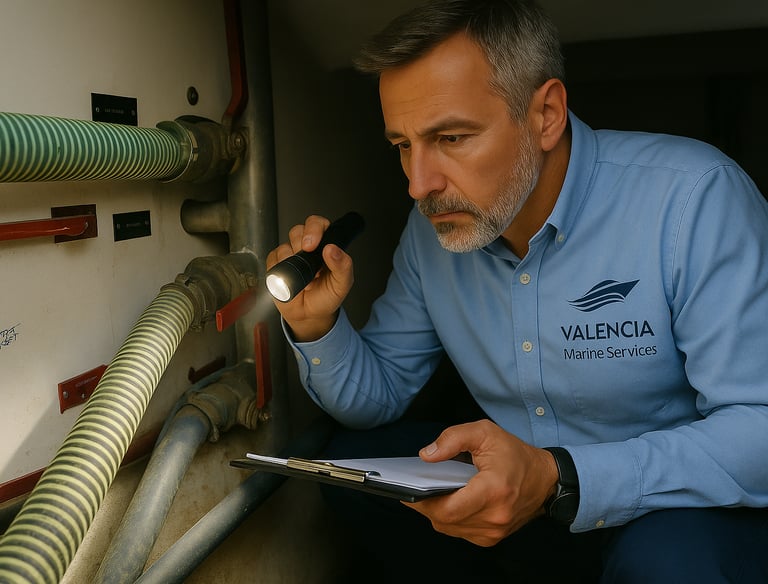
Freshwater system
Bilge pumps (automatic & manual)
Black/grey water systems
Hot water boiler (if fitted)
Deck drains & thru-hulls
Gas installations (if applicable)
Tank condition (fuel, water, wastewater)
Objective: Confirm serviceability and safety compliance of domestic systems.
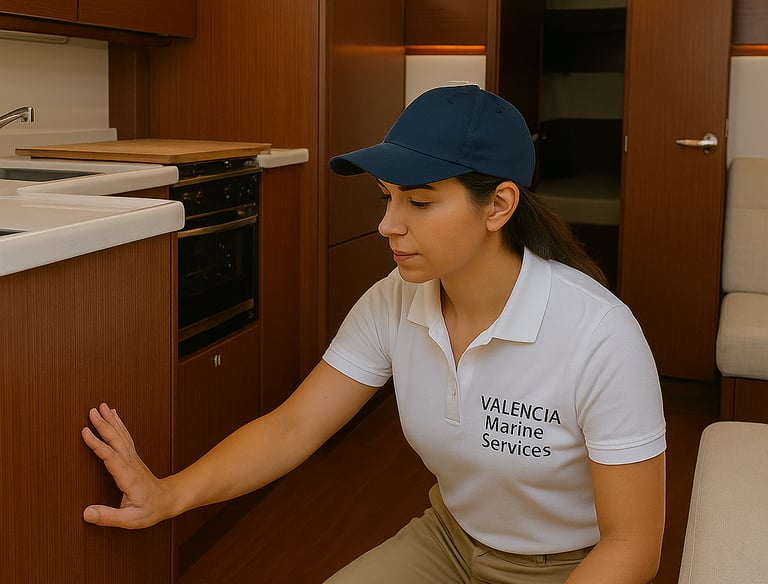
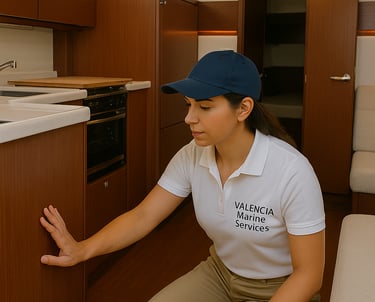
Inspection of all interior spaces:
Structural interior (floors, bulkheads, frames)
Joinery, furniture, cabinetry
Upholstery and soft furnishings
Signs of leaks, humidity, or mold
Electrical panels and access compartments
Objective: Determine overall preservation level and maintenance quality.
7. Deck Gear, Hardware & Fittings
8. Safety Equipment & Compliance
9. Berth Trial
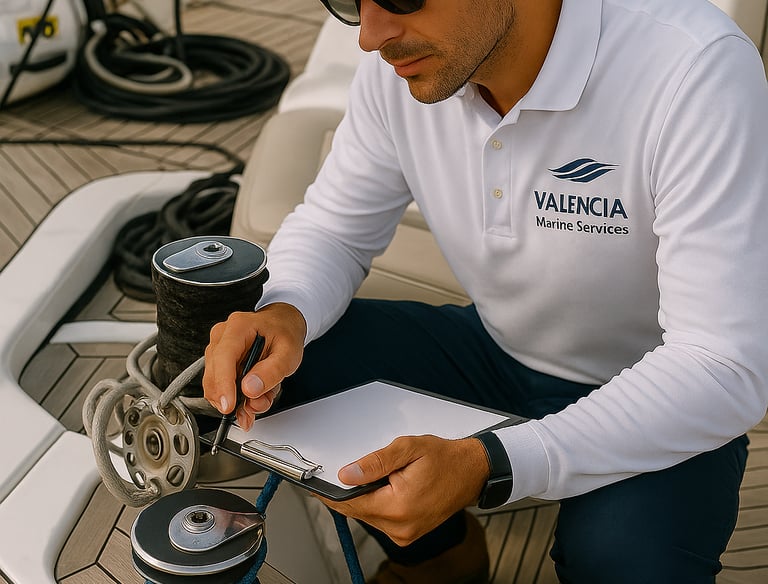
Valid for all vessels (with sailing-specific items added automatically when relevant):
Anchoring system (windlass, chain, anchor)
Mooring cleats and fairleads
Fenders, lines, bollards
Swim ladder and safety rails
Deck hatches & ventilation
For sailboats:
Standing rigging (visual)
Running rigging
Mast, boom, chainplates
Sail condition (UV, stitching, material wear)
Objective: Establish equipment value and identify any needed wear or replacements.
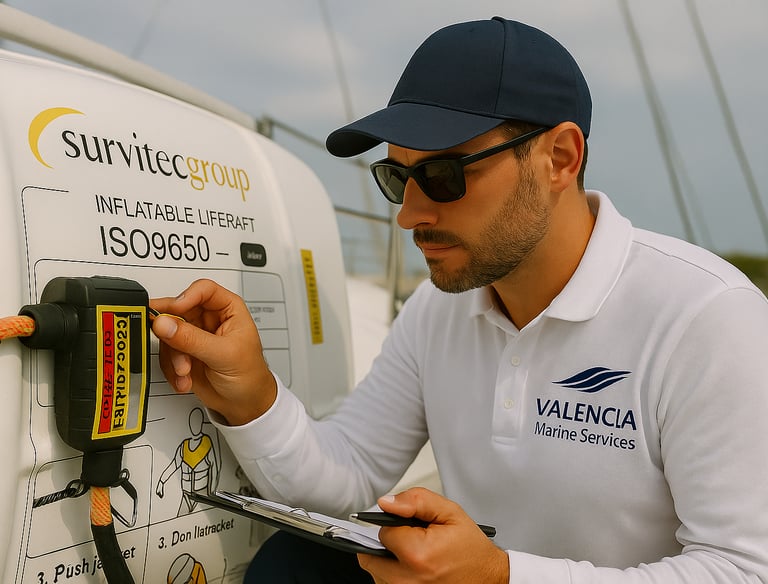
Universal safety inspection includes:
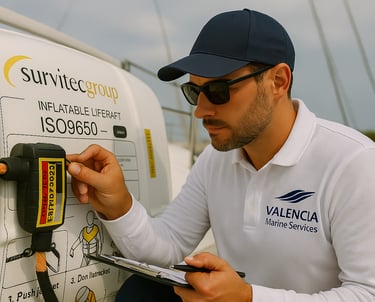
Liferaft (if installed)
Fire extinguishers
EPIRB (if fitted)
Flares & signalling devices
Bilge pumps
Navigation lights
Personal flotation devices
Objective: Ensure compliance with minimum safety requirements and evaluate replacement cost.
When conditions allow, a berth trial may be conducted:
Engine running test (disengaged)
Handling, steering,
Vibration & noise levels (at low regimes)
Electronic systems under load
Objective: Validate operational condition and identify defects not visible ashore.
Yacht Appraisal Survey Report
The appraisal concludes with a full certified valuation, including:

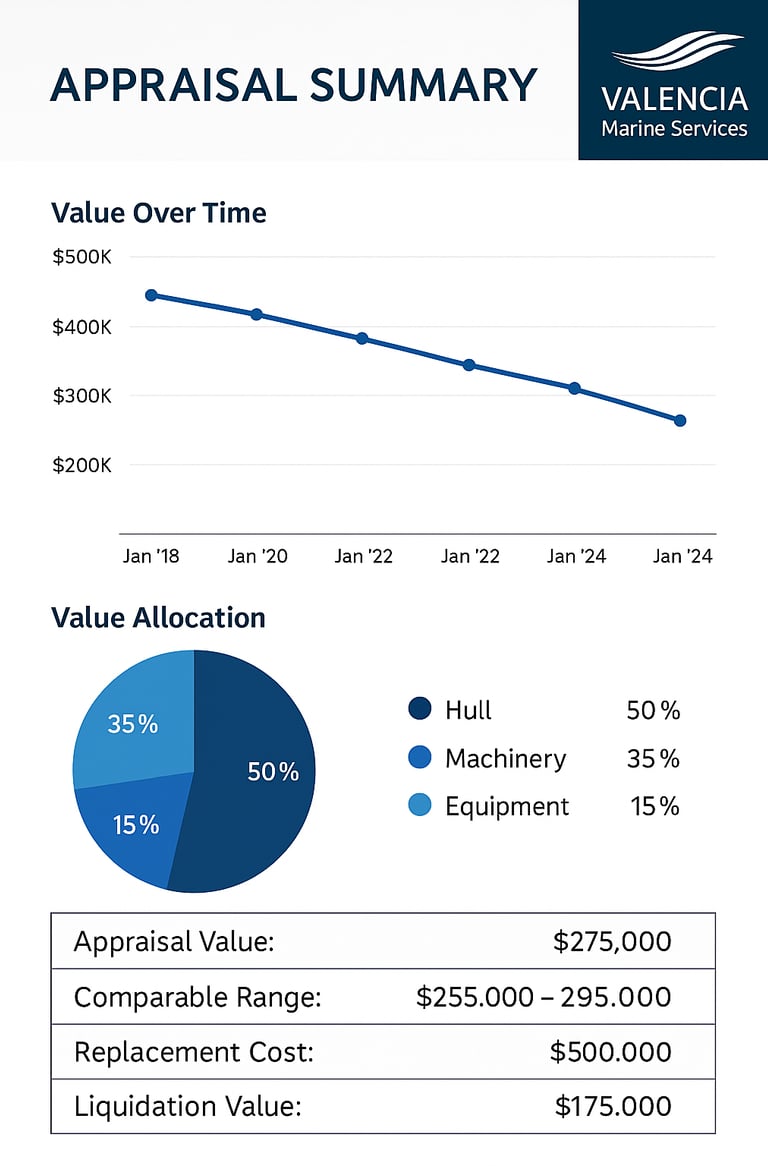
Valuation Methodology
Comparable market analysis (CMA)
Brand/model desirability index
Depreciation models
Adjustments for condition, equipment, age, and maintenance
Regional market data (Mediterranean/Europe)
Final Deliverables
Condition summary
Photographic evidence
Fair Market Value (FMV) range
Replacement cost estimation
Certification by Naval Architect/Marine Engineer
Objective: Provide an accurate, defensible, and industry-recognized market value.
VALENCIA Marine Services - Camino del Canal 91 - Real Club Náutico de Valencia - Bloque 3 Local 21 - Valencia 46024 (SPAIN)
+34 96 13 050 13 (Office)
© 2026 All rights reserved
+34 644 70 90 38 (Mobile)